
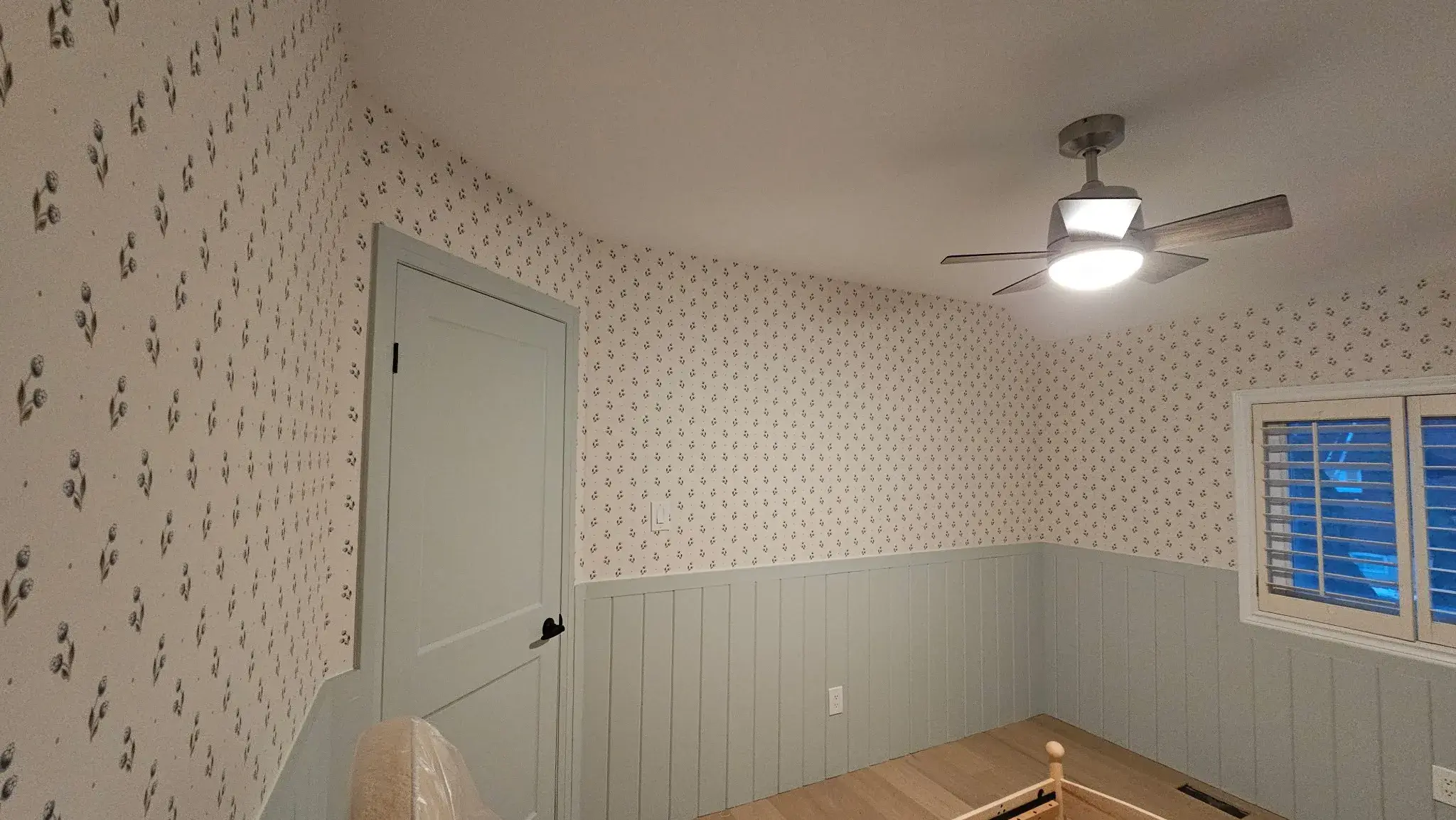
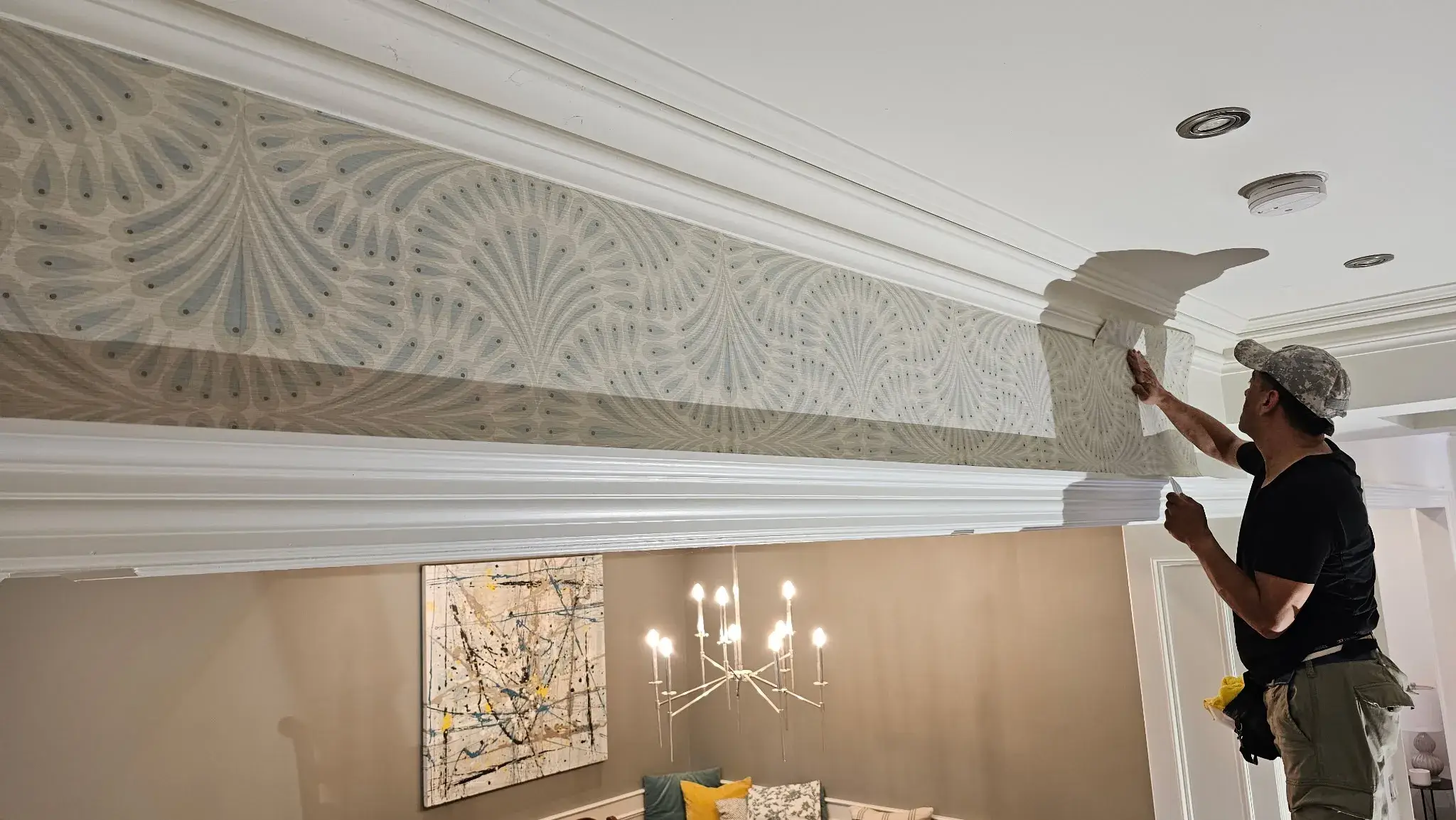
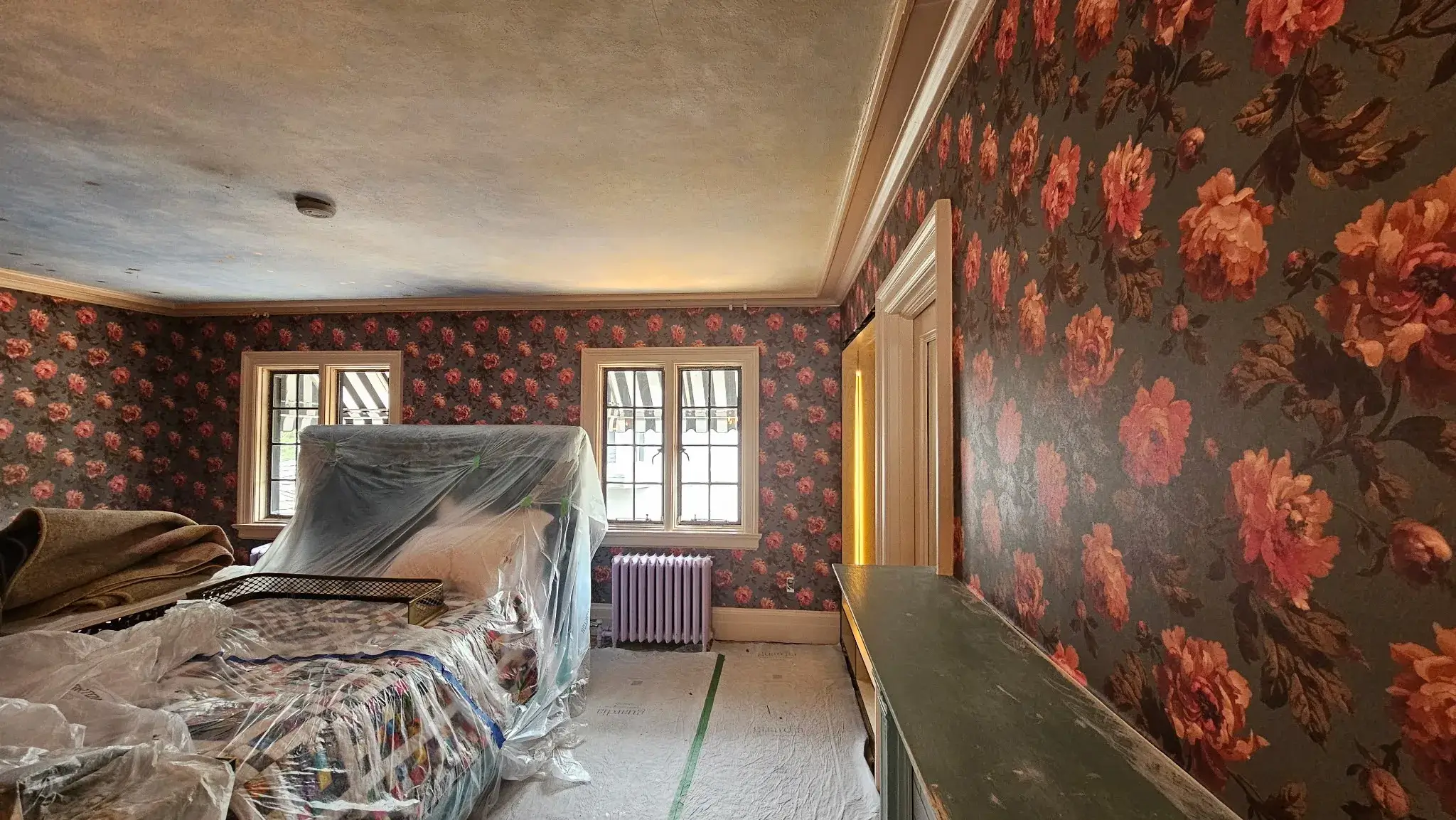

Understanding Wallpaper: What You Need to Know
Wallpaper has been a staple in interior design for centuries, offering both functionality and aesthetic appeal. As a beginner, it’s crucial to understand the different types of wallpaper available and their unique characteristics.
- Pasted Wallpaper: Requires adhesive to be applied either to the wall or the back of the wallpaper before hanging.
- Pre-pasted Wallpaper: Comes with adhesive already applied. You simply soak it in water before hanging.
- Vinyl Wallpaper: Durable and easy to clean, making it perfect for high-traffic areas.
- Fabric Wallpaper: Offers luxury, warmth, and texture but can be more challenging to maintain.
- Peel-and-stick Wallpaper: Ideal for renters; it’s removable and reusable.
By understanding these types, you’ll be better equipped to choose the right wallpaper for your project, depending on your personal style and the space you’re working with.
Essential Tools Needed for Wallpapering
Before diving into the wallpapering process, gather the following tools to ensure a smooth experience:
- Measuring Tape: Essential for accuracy.
- Level: Ensures that your wallpaper is hung straight.
- Utility Knife: Perfect for trimming excess wallpaper.
- Wallpaper Brush: Helps to eliminate air bubbles and smooth out the wallpaper.
- Smoothing Tool: Useful for ensuring a flawless finish.
- Seam Roller: Perfect for pressing down seams to avoid peeling.
- Drop Cloths: Protect your floors from spills and adhesive.
Having these tools on hand will save you time and ensure professional-looking results.
Preparing Your Walls for Wallpapering
The success of your wallpaper project hinges on proper wall preparation. Follow these steps:
1. Clean the Walls
Remove dust, dirt, and grease stains from the walls. A clean surface ensures better adhesive bonding.
2. Repair Imperfections
Fill any holes or cracks with spackle and sand down rough areas. For a flawless finish, make sure the surface is smooth.
3. Prime the Walls
Applying a primer helps the wallpaper adhere better and ensures that it can be removed easily down the road. If you’re using a lighter-colored wallpaper, a white primer is ideal.
4. Measure and Mark
Using your measuring tape and level, mark a vertical line on the wall where the first strip of wallpaper will go. This will serve as your guide for hanging subsequent strips.
Selecting the Right Wallpaper for Your Space
Choosing the right wallpaper is more than just picking your favorite color or pattern. Consider these factors:
- Room Function: Use durable or washable options in kitchens and bathrooms.
- Lighting: Light colors can brighten a room, while dark colors add coziness.
- Style: Ensure the wallpaper aligns with your desired aesthetic, whether modern, traditional, or eclectic.
- Texture: Textured wallpapers add depth, while flat options provide a clean look.
Step-by-Step Guide to Wallpapering
Once you’ve prepared your walls and selected your wallpaper, it’s time to start hanging. Follow these steps for a successful application:
1. Cut the Wallpaper
Measure the height of your wall and cut the wallpaper accordingly, adding a few extra inches at the top and bottom for trimming.
2. Apply the Paste (if required)
If you’re using unpasted wallpaper, apply the paste to the back. For pre-pasted options, soak the wallpaper according to the manufacturer’s instructions.
3. Position the First Strip
Align the wallpaper with the vertical line you marked earlier, starting at the top of the wall. Press it against the wall gently, making sure not to trap any air.
4. Smooth Out the Wallpaper
Use your smoothing tool or wallpaper brush to eliminate bubbles and ensure the wallpaper adheres properly.
5. Trim Excess Wallpaper
Use your utility knife to trim the top and bottom excess of the wallpaper for a clean edge.
6. Repeat
Continue to hang subsequent strips, ensuring you match patterns at the seams for a seamless look.
Common Mistakes to Avoid
Be mindful of these common pitfalls to ensure your wallpapering project is a success:
- Not Prepping the Walls: Skipping wall preparation can lead to peeling and bubbles.
- Using Incorrect Adhesive: Always check that your adhesive is compatible with your wallpaper.
- Ignoring Pattern Matches: Taking the time to align patterns appropriately will yield a professional finish.
- Working Alone: Wallpapering can be challenging; having a helper makes the process smoother.
Caring for Your Wallpaper
Once your wallpaper is applied, taking care of it will prolong its lifespan. Here’s how to maintain your wallpaper:
- Regular Dusting: Use a soft cloth or a duster to keep it clean.
- Spot Cleaning: For stains, a gentle cleaner and a soft cloth can help without damaging the wallpaper.
- Avoid Excessive Moisture: Keep bathrooms and kitchens well-ventilated to prevent mold growth.
When to Call in the Experts
While DIY wallpapering can be rewarding, there are instances when it’s best to hire a professional. This is particularly true if:
- You’re dealing with a large area or intricate patterns that can be challenging to match.
- You’re unsure about wall preparation or the right type of wallpaper.
- The project timeline is tight, and you need assistance to get it done quickly.
If you’re considering a professional touch for your wallpapering needs, look no further than wallpaperinstaller.ca. Their team of experts will ensure your wallpaper is applied perfectly, elevating your space without the hassle.
Design Trends in Wallpapering
Staying updated with current trends can inspire your wallpaper choices. Some popular trends include:
- Nature-Inspired Patterns: Floral and botanical designs bring the outdoors inside.
- Geometric Shapes: Clean lines and geometric patterns offer a modern aesthetic.
- Textured Finishes: Options like linen or silk create depth and sophistication.
- Bold Colors: Deep hues can make a statement and create dramatic focal points.
Investing in wallpaper that reflects your style will enhance your living space and make it uniquely yours.
Final Thoughts: Embrace Your Creativity
Wallpapering can be a fulfilling project that transforms a space. By understanding the materials, preparing your walls, and following the right steps, you can achieve a beautiful finish.
If you’re embarking on this journey and desire expert assistance, don’t hesitate to reach out to wallpaperinstaller.ca for professional guidance and installation. Happy wallpapering!